

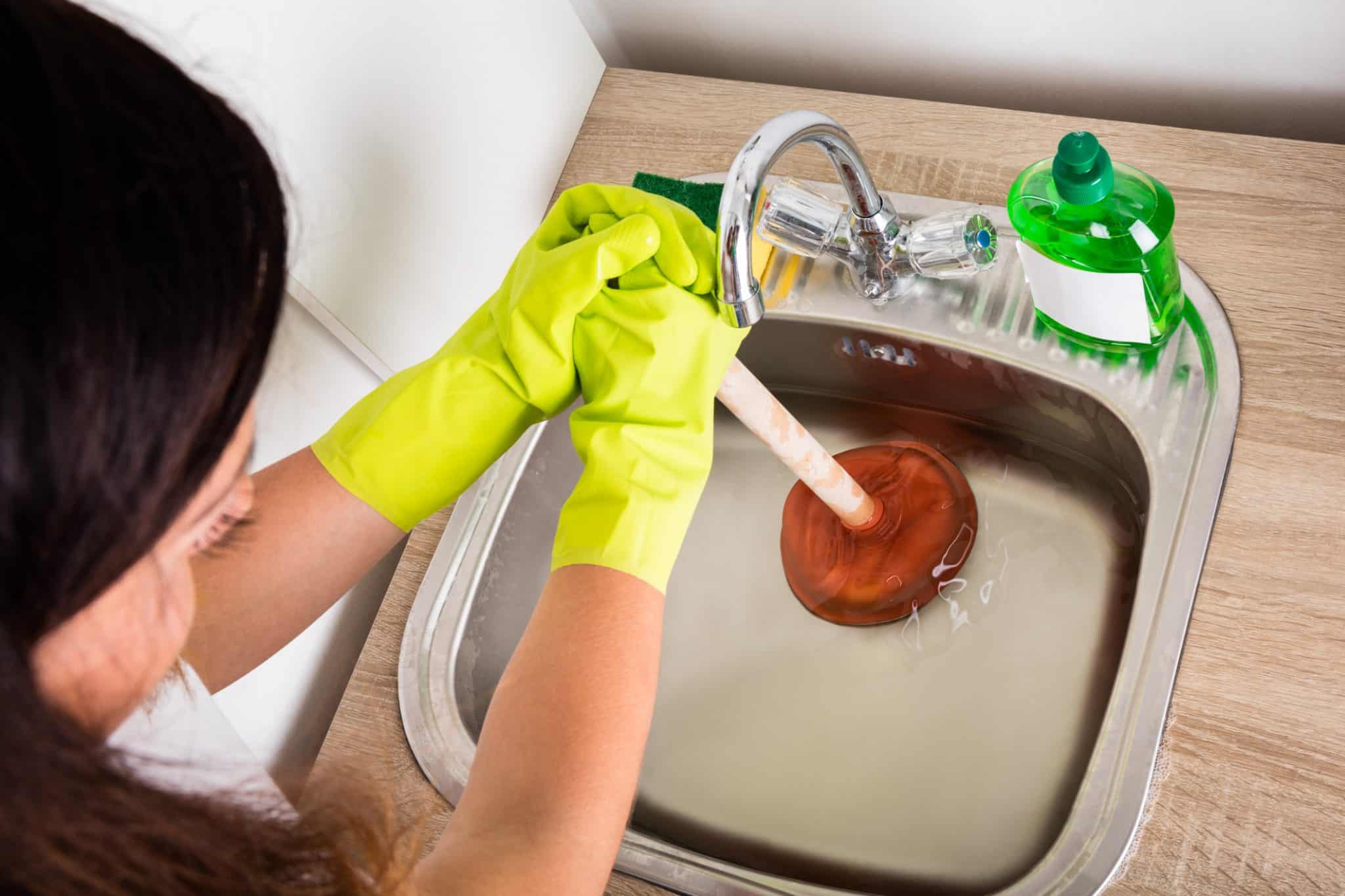
Picture this: the turkey is resting, the guests are arriving, and the kitchen sink starts gurgling. A clogged drain is the last surprise any host wants, but it’s also one of the easiest holiday problems to prevent. The secret is keeping grease, starchy scraps, and stringy food waste out of your sink in the first place.
Holiday cooking puts extra strain on your pipes, and most homeowners don’t realize it until the water stops draining. Let the pros here at PowerVac of Michigan walk you through what causes holiday clogs, simple habits that prevent them, and what to do if a clogged sink drain shows up anyway. A few minutes of prep now can keep your gathering running smoothly.
Holiday Drain Care at a Glance
- Grease is the top holiday drain offender, so collect it in a container instead of pouring it down the sink.
- Scrape plates into the trash and use a mesh strainer to catch small scraps.
- Slow drains, gurgling, and odors are early warning signs that a clog is forming.
- Chemical drain cleaners can damage pipes and often fail to clear stubborn clogs.
- A professional can clear persistent clogs quickly so your holiday plans stay on track.
Why Do Kitchen Drains Clog More Often During the Holidays?
Holiday meals mean more cooking, more dishes, and more leftovers, and nearly all of it passes through the kitchen sink. Fats, oils, and grease from roasts, gravies, and butter-heavy sides are the biggest culprits. The risk of clogged pipes and backups goes up during the holidays, when people cook more for gatherings. Knowing where clogs come from makes them much easier to prevent.
Grease Hardens Inside Your Pipes
Hot grease looks harmless in liquid form. Once it cools in your pipes, it forms a sticky coating that traps food particles and narrows the pipe a little more with each rinse. After a few big meals, that buildup can turn a slow kitchen drain into a full clog.
Food Scraps Pile Up Faster Than Drains Can Handle
A garbage disposal can grind scraps, but it cannot make them safe for your pipes. Potato peels, pasta, rice, and turkey skin can pack together into a dense plug. Hosting a crowd means far more of these scraps heading down the drain in a single evening.
How Can You Prevent a Clogged Kitchen Drain Before Guests Arrive?
Prevention comes down to a few habits that take only minutes to set up. Put these steps in place before your first holiday meal:
- Set up a grease container. Keep an empty, sealable can or jar near the stove for cooled drippings and used cooking oil.
- Scrape before you rinse. Wipe plates and pans into the trash before they touch the sink or dishwasher.
- Add a mesh drain strainer. It catches small scraps that would otherwise slip into the pipes.
- Wipe greasy pans first. A quick pass with a paper towel removes most of the fat before washing.
UF/IFAS Extension offers the same basic advice for holiday cooking: scrape food waste into the trash rather than down the drain. You can read more in their Avoid Thanksgiving FOG guide.
Why Hot Water and Dish Soap Aren’t Enough
Many homeowners rinse grease away with hot water and a squirt of dish soap. That can carry the grease farther down the line, where it cools and hardens out of sight. Collecting it in a container is a much safer habit for your plumbing.
Which Foods Should Never Go Down Your Kitchen Sink?
Some foods are far more likely to cause a clog than others. Keep these out of the drain, even if you have a garbage disposal:
- Cooking oil, bacon grease, and meat drippings
- Gravy, butter, and sauces
- Pasta, rice, and stuffing
- Potato peels and other starchy scraps
- Celery, onion skins, and other stringy vegetables
- Coffee grounds and eggshells
- Turkey skin and fat trimmings
When in doubt, scrape it into the trash or a compost bin. The extra ten seconds is cheaper than a plumbing service call.
What Are the Warning Signs of a Clogged Sink Drain?
A clog rarely appears out of nowhere. Watch for these early signals, especially in the days after a big meal:
- Water draining more slowly than usual
- Gurgling sounds from the sink or nearby fixtures
- Foul odors rising from the drain
- Standing water in the sink or dishwasher
- Water backing up into other fixtures when you run the sink
If more than one fixture is affected, the problem may be deeper in your main line. Our guide to sewer line warning signs explains what to look for.
What Should You Do When a Drain Clogs During a Holiday Gathering?
Even careful hosts run into a stubborn clog now and then. The right first moves can keep a small problem from getting worse.
Work through these steps in order:
- Stop running water and turn off the garbage disposal.
- Remove standing water and any visible debris from the drain opening.
- Use a sink plunger with steady, gentle pressure.
- Check whether other drains in the house are slow or gurgling.
Skip the chemical drain cleaners. They can damage older pipes and leave harsh residue that is unsafe for a plumber to work around.
Know When to Stop and Call a Professional
If plunging does nothing or water is backing up in more than one fixture, it is time to stop. Pushing harder can move the clog or damage your plumbing. PowerVac of Michigan uses professional jetting equipment to clear stubborn buildup from the pipe itself instead of just poking a hole through it.
FAQs About Holiday Drain Clogs
Can I pour grease down the drain if I run hot water?
No. Hot water only moves the grease along until it cools and hardens farther down your pipes. Over time, that buildup narrows the line, causing slow drains and backups. Pour cooled grease into a sealable container and throw it in the trash instead.
Does a garbage disposal prevent kitchen drain clogs?
A garbage disposal grinds food, but it doesn’t keep your pipes clear. Ground-up grease, starches, and fibrous scraps can still stick to the pipe walls and build up. Treat the disposal as a last resort and scrape most food waste into the trash first.
Is it safe to use chemical drain cleaner on a holiday clog?
It’s best to avoid it. Chemical cleaners can wear down pipes over time and often fail to clear a dense blockage. They can also splash back on you or on a plumber who has to work on the line later. A plunger is a safer first step, followed by a professional if the clog stays put.
Keep Your Holiday Plumbing Running Smoothly
Most holiday drain emergencies start with grease and food scraps, and most can be prevented with a few simple habits. Collect grease in a container, scrape plates before rinsing, and watch for slow drains or gurgling. If a clog does show up, a quick call to a professional beats a weekend of guesswork.
Clogged Drain Emergency? Call PowerVac of Michigan
Don’t let a stubborn clog take over your holiday plans in Michigan. Call (248) 912-9974 or contact us online, and we’ll get the right help on the way.