

A slow-draining sink is annoying. A backed-up sewer line is a Michigan homeowner’s nightmare, and often an expensive one. Most sewer line problems don’t happen overnight; they build up out of sight for weeks or months before an emergency hits.
That’s why recognizing the early warning signs of a clogged sewer line matters. Catching the problem early with professional sewer line cleaning can save you from a costly backup, water damage, or a full pipe replacement. We’ll walk through the five signs every Michigan homeowner should know, plus what to do if you spot them.
Signs You Need Sewer Line Cleaning at a Glance
- Multiple slow drains at once usually points to a main sewer line issue, not just one clogged fixture.
- Gurgling sounds from drains or toilets signal trapped air from a partial blockage.
- Sewage odors indoors or in the yard mean waste isn’t flowing properly and needs immediate attention.
- Water backing up in unexpected places (like your shower when you flush the toilet) is a classic sign of a main line clog.
- Soggy, unusually green patches in your yard can indicate a leaking or cracked sewer line underground.
Top 5 Warning Signs of a Clogged Sewer Drain
Sign #1: Multiple Slow Drains at Once
If just one sink is slow, that’s likely a localized clog. But if your kitchen sink, bathtub, and toilet are all draining sluggishly around the same time, the problem is probably further down the line in your main sewer pipe.
- One slow drain = isolated clog
- Several slow drains = possible main line blockage
- Slow drains that return after DIY plunging = time to call a professional
Sign #2: Gurgling Sounds From Drains or Toilets
That gurgling noise happens when air gets trapped by a partial blockage and pushes back up through the pipes as water tries to pass. It’s your plumbing’s way of telling you there’s resistance somewhere in the line.
If you hear gurgling every time you run the dishwasher, flush the toilet, or drain the tub, don’t ignore it—it’s an early-stage warning, not a random quirk.
Sign #3: Sewage Odors Indoors or in the Yard
A properly functioning sewer line keeps waste and odor contained. When you start noticing a sulfur or sewage smell near drains, in the basement, or in a specific patch of your yard, it usually means wastewater is escaping where it shouldn’t.
According to the EPA, a well-maintained wastewater system should show no signs of odor or surface moisture, so persistent smells are a clear signal something needs attention.
Sign #4: Water Backing Up in Unexpected Places
This is one of the most telling signs of a main sewer line clog. When wastewater has nowhere else to go, it takes the path of least resistance. That’s often the lowest drain in your house, like a basement floor drain or tub.
If flushing a toilet upstairs causes water to bubble up in a downstairs shower or drain, your main line likely needs professional drain cleaning services right away.
Sign #5: Soggy or Unusually Green Patches in the Yard
A cracked or leaking underground sewer pipe can act like a slow-release fertilizer, creating patches of grass that are noticeably greener and lusher than the rest of your lawn. You might also notice soft, soggy ground even when it hasn’t rained.
This sign is easy to miss because it doesn’t look like a plumbing problem, but it’s one of the clearest outdoor indicators of a failing sewer line.
How PowerVac’s Sewer Line Cleaning Process Works
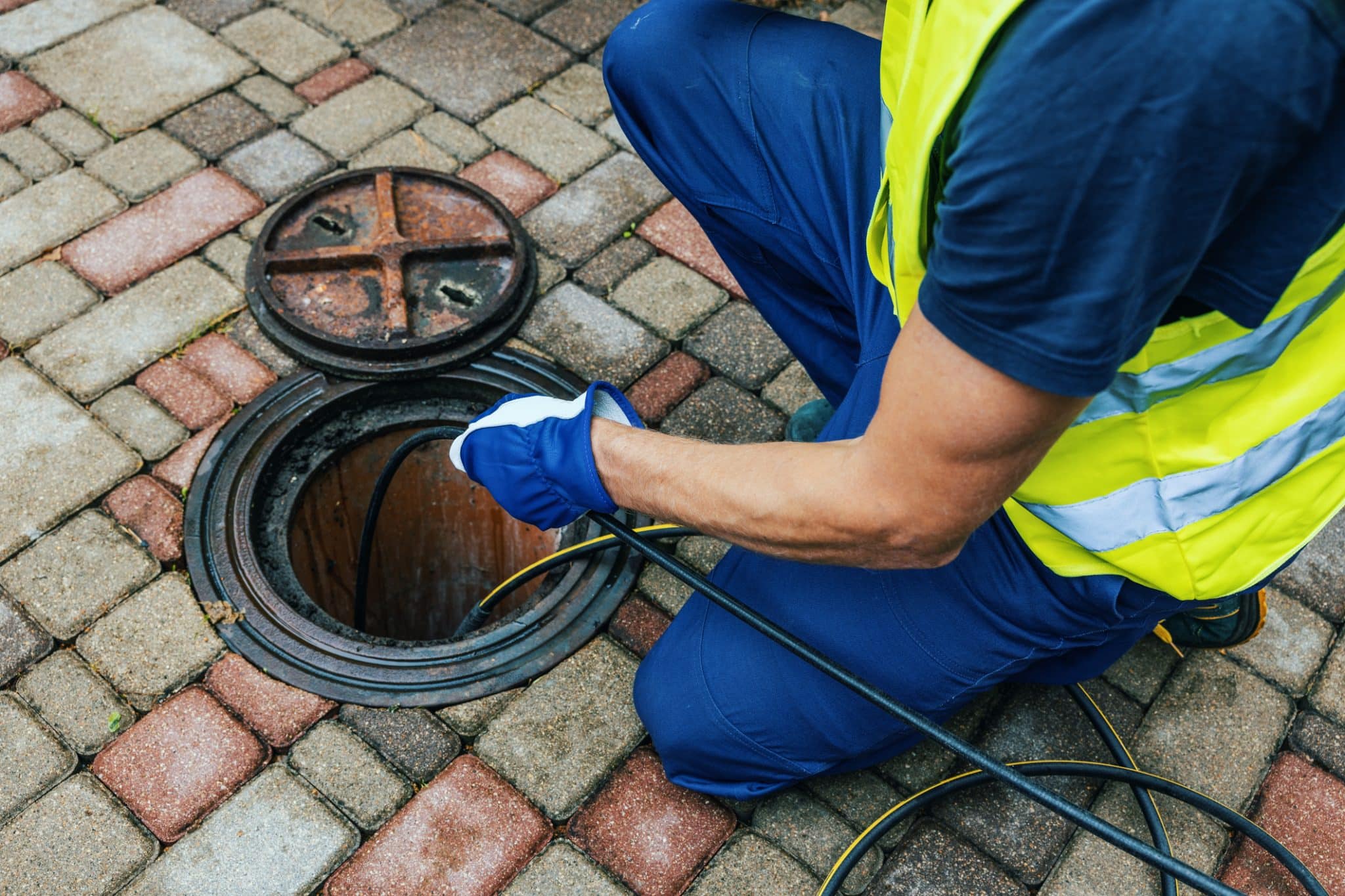
PowerVac of Michigan starts every sewer cleaning call with a video inspection to pinpoint exactly what’s causing the backup and where it’s located. From there, our technicians clear the blockage using commercial-grade cabling for root intrusion or high-pressure hydro jetting for grease and calcium buildup—whichever matches what the camera found.
Once the line is clear, we run a robotic camera inspection to confirm the roots are fully removed and flow is restored, rather than just guessing the job is done. With over 30 years serving homeowners across Michigan, our team has cleared nearly every type of sewer line issue a home can throw at us.
Frequently Asked Questions
How long does a sewer line cleaning appointment take?
Most residential sewer line cleanings take between one and three hours, depending on the severity of the blockage and how far the crew needs to travel down the line. A straightforward grease or debris clog usually clears faster than a line with significant root intrusion. Homes with longer sewer laterals or multiple access points may also add time to the visit. Your technician can typically give you a more specific estimate once the video inspection identifies what’s actually going on underground. In most cases, you can expect your drains to be fully back in service the same day.
Will sewer line cleaning disrupt my yard or landscaping?
In the vast majority of cases, no. Professional cleaning methods like hydro jetting and cabling work entirely from the inside of the existing pipe, so there’s no need to dig up your lawn. Technicians typically access the line through an existing cleanout or vent stack rather than trenching through your property. This makes routine cleaning a much less invasive option than a full sewer line replacement.
Digging only becomes necessary in rarer cases, such as a collapsed pipe or a break that a camera inspection confirms can’t be cleared from within. For the five warning signs covered above, a no-dig cleaning is almost always enough to solve the problem.
What happens if I ignore these warning signs?
Left unaddressed, a partial sewer line blockage tends to get worse rather than resolve on its own, since debris and roots continue to accumulate around the existing obstruction. What starts as a slow drain or occasional gurgle can progress into a full backup, sending wastewater into your basement, tub, or lowest-lying fixtures.
Beyond the mess, prolonged backups can lead to water damage, mold growth, and even structural issues if moisture seeps into your foundation. Repairs at that stage are almost always more expensive and disruptive than a routine cleaning would have been. Acting on early warning signs is the simplest way to avoid an emergency call altogether.
Don’t Wait for a Backup to Take Action
Catching these five warning signs early can mean the difference between a routine cleaning and a costly emergency. If any of this sounds familiar, your sewer line is asking for attention now, not later.
Schedule Your Sewer Line Inspection Today
PowerVac of Michigan’s team can quickly diagnose and clear sewer line issues before they turn into bigger problems. Contact us or call (248) 912-9974 to schedule your inspection.