

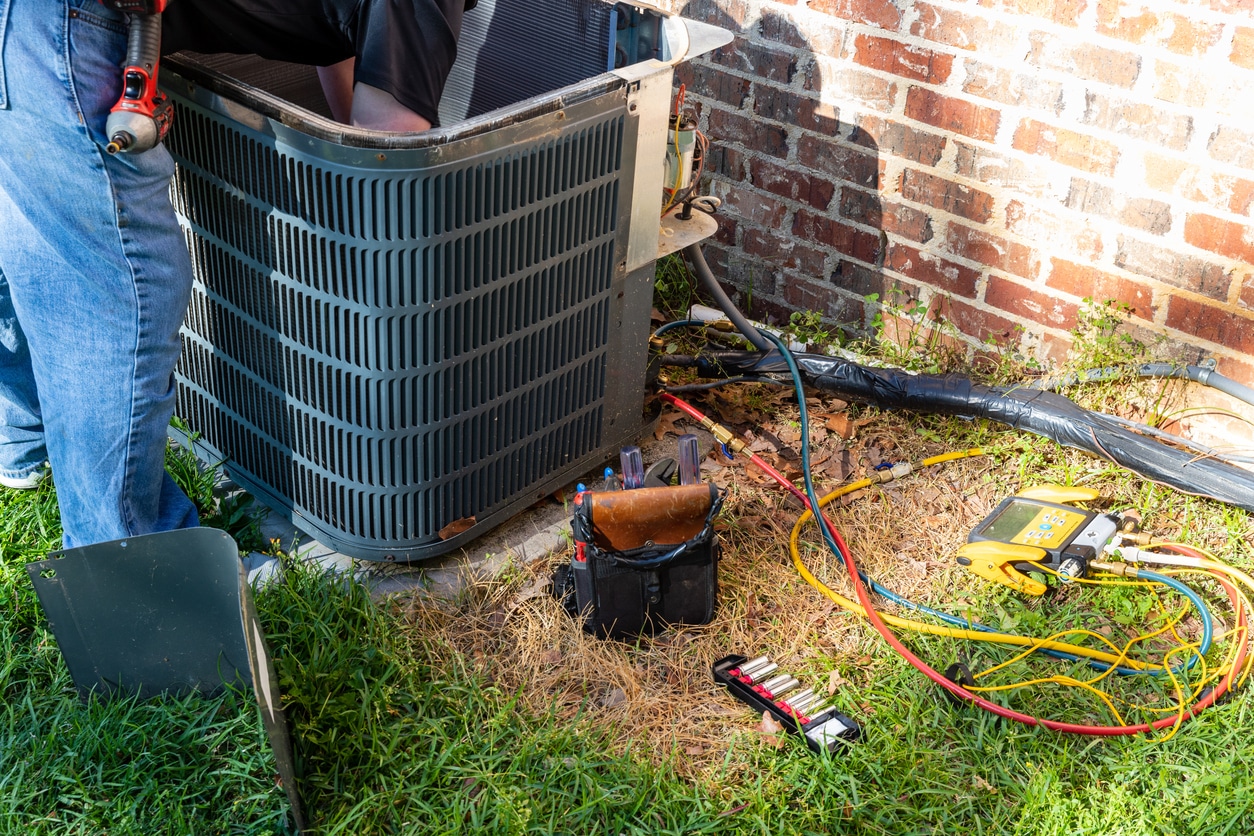
Spring is the best time to give your HVAC system a thorough once-over, before the heat of summer in Michigan puts it to the test. Whether you manage a commercial building or own a home, staying on top of seasonal HVAC maintenance can prevent costly breakdowns, extend equipment life, and maintain your indoor air quality.
In this guide, we’ll walk through the key steps of spring HVAC maintenance: from changing filters and inspecting components to knowing when it’s time to bring in a professional for a full-service tune-up.
Spring HVAC Maintenance at a Glance
- Replace or inspect air filters at the start of every season to maintain airflow and efficiency.
- Clear debris from outdoor condenser units before running your AC for the first time.
- Schedule a professional inspection to catch small issues before they become expensive repairs.
- Check thermostat settings, drainage lines, and electrical connections as part of your seasonal routine.
- Consistent HVAC maintenance can extend equipment lifespan and lower energy costs over time.
Why Spring HVAC Maintenance Is Worth Prioritizing
Most HVAC problems don’t announce themselves. A slow refrigerant leak, a clogged drain line, or a dirty coil can quietly reduce your system’s performance for weeks before you notice anything. Spring is a natural opportunity to reset—temperatures are mild, demand on your system is low, and scheduling a service call is far easier than in the middle of a July heat wave.
For commercial properties, the stakes are even higher. A system failure during peak season can disrupt operations, drive up energy costs, and compromise occupant comfort. For homeowners, skipping seasonal maintenance often means shorter equipment lifespans and higher utility bills. A consistent spring routine helps avoid both.
Start With Your Air Filters
If there’s one task that makes the biggest immediate difference, it’s checking your air filters. A dirty or clogged filter restricts airflow, forces your system to work harder, and circulates dust and allergens throughout your home or building.
Here’s what to do:
- Check the filter’s condition. Hold it up to a light source. If you can’t see light through it, it needs to go.
- Replace disposable filters. Most standard filters should be replaced every 1–3 months, though higher-traffic commercial spaces may need more frequent changes.
- Clean reusable filters. If your system uses a washable filter, rinse it thoroughly and allow it to dry completely before reinstalling.
- Check the MERV rating. A higher MERV rating means better filtration, but make sure it’s compatible with your system’s airflow requirements.
Pro Tip: Keep a supply of replacement filters on hand so swaps don’t get delayed. For commercial properties, set a recurring calendar reminder tied to the season.
Inspect the Outdoor Unit
Your outdoor condenser unit has been sitting through months of cold, wind, and debris accumulation. Before you switch on the AC, take a few minutes to assess its condition.
Spring condenser inspection checklist:
- Remove any leaves, twigs, or debris that have collected around or inside the unit.
- Check that the unit is level on its pad—settling over winter can affect performance.
- Look for visible damage to fins or coils. Bent fins can restrict airflow and should be straightened carefully or evaluated by a technician.
- Maintain at least 2 feet of clearance around the unit on all sides.
- Do not run the system if outdoor temperatures are below 60°F, as this can damage the compressor.
For commercial rooftop units, this inspection should be handled by a qualified HVAC technician who can safely assess the full unit and identify any wear that isn’t visible from ground level.
Check Your Thermostat and Controls
A properly functioning thermostat is central to system efficiency, and it’s easy to overlook. Spring is a good time to test your settings, update programming, and replace batteries if needed.
- Switch the system from heat to cool mode and verify it responds correctly.
- If you have a programmable or smart thermostat, update your schedule for warmer months.
- Test the fan setting to confirm it’s circulating air as expected.
- For commercial buildings with building automation systems (BAS), review setpoints and scheduling ahead of the cooling season.
If your thermostat is more than 10 years old or if you’re still using a manual model, upgrading to a programmable unit can improve comfort and reduce energy costs without a major investment.
Clear the Condensate Drain Line
During the cooling season, your HVAC system removes humidity from the air, and that moisture has to go somewhere. It drains through the condensate line, which can become clogged with algae, mold, or sediment over time.
A blocked drain line can cause:
- Water damage near the air handler or furnace
- Increased indoor humidity and potential mold growth
- System shutdowns triggered by a float safety switch
To clear a minor clog, pour a cup of distilled white vinegar down the drain line and let it sit for 30 minutes, then flush with water. For commercial systems or persistent clogs, a technician should properly inspect and clear the line.
Schedule a Professional Spring Tune-Up
DIY maintenance goes a long way, but it doesn’t replace what a certified HVAC technician can find and fix during a full-service inspection. A professional spring tune-up typically includes:
- Checking refrigerant levels and inspecting for leaks
- Inspecting and cleaning the evaporator and condenser coils
- Testing electrical connections and components for wear
- Lubricating moving parts to reduce friction and wear
- Verifying system pressures and airflow across the unit
- Reviewing ductwork for leaks or damage
Scheduling this service in early spring, before peak demand, also means shorter wait times and greater scheduling flexibility. Many HVAC issues found during a tune-up are minor and inexpensive to fix when caught early.
Frequently Asked Questions About Spring HVAC Maintenance
We get a lot of questions about spring HVAC maintenance. Here are the answers to the most common ones:
How often should commercial HVAC systems be serviced?
Most commercial HVAC systems benefit from at least two professional service visits per year—one in spring before cooling season and one in fall before heating season. However, high-use systems in large facilities, restaurants, or healthcare settings may require quarterly inspections. A qualified technician can help determine the right maintenance schedule based on your system type and usage.
What are signs that my HVAC system needs more than routine maintenance?
Watch for:
- Unusual noises
- Inconsistent temperatures across different areas
- A sudden spike in energy bills
- Visible moisture or ice around the unit
These can all point to issues that go beyond a filter change or basic tune-up. If your system is more than 15 years old and showing any of these signs, it may be worth discussing a replacement assessment with a technician.
Do you offer 24/7 emergency HVAC service?
Yes. HVAC problems don’t always happen during normal business hours, which is why we offer 24/7 emergency service for urgent heating and cooling issues. Whether your system fails overnight, on a weekend, or during extreme weather, our team is available to respond quickly and help restore comfort and safety to your home or business.
Keep Your System Ready for Whatever the Season Brings
Spring HVAC maintenance comes down to one core idea: small, consistent actions prevent large, expensive problems. Replacing filters, cleaning the condenser, testing your thermostat, and scheduling a professional inspection are straightforward steps that pay off with months of reliable performance.
Schedule Your Spring HVAC Service with PowerVac of Michigan
Don’t wait until your system is struggling in the heat to find out something needs attention. PowerVac of Michigan provides professional HVAC maintenance and inspection services for residential and commercial clients throughout Michigan. Reach out today to schedule your spring service visit.