

Every year, contractors and municipalities lose time and money to preventable utility strikes. One wrong pass with an excavator can rupture a gas line, sever fiber, or flood a jobsite, turning a routine dig into a costly shutdown. Hydro excavation offers a safer alternative, using pressurized water and vacuum suction to expose underground utilities without the guesswork of mechanical digging.
This post breaks down how hydro excavation compares to traditional digging, where each method holds up, and why more utility-sensitive projects are making the switch.
Hydro Excavation vs Traditional Digging at a Glance
- Hydro excavation uses pressurized water and vacuum suction to expose utilities without contact damage.
- Traditional digging relies on mechanical force, which raises the risk of utility strikes and costly repairs.
- Hydro excavation reduces backfill and restoration work, cutting project timelines.
- Both methods have a place, but utility-sensitive sites favor hydro excavation for safety and precision.
- Calling 811 before any dig remains a required first step regardless of method.
What Is Hydro Excavation and How Does It Work?
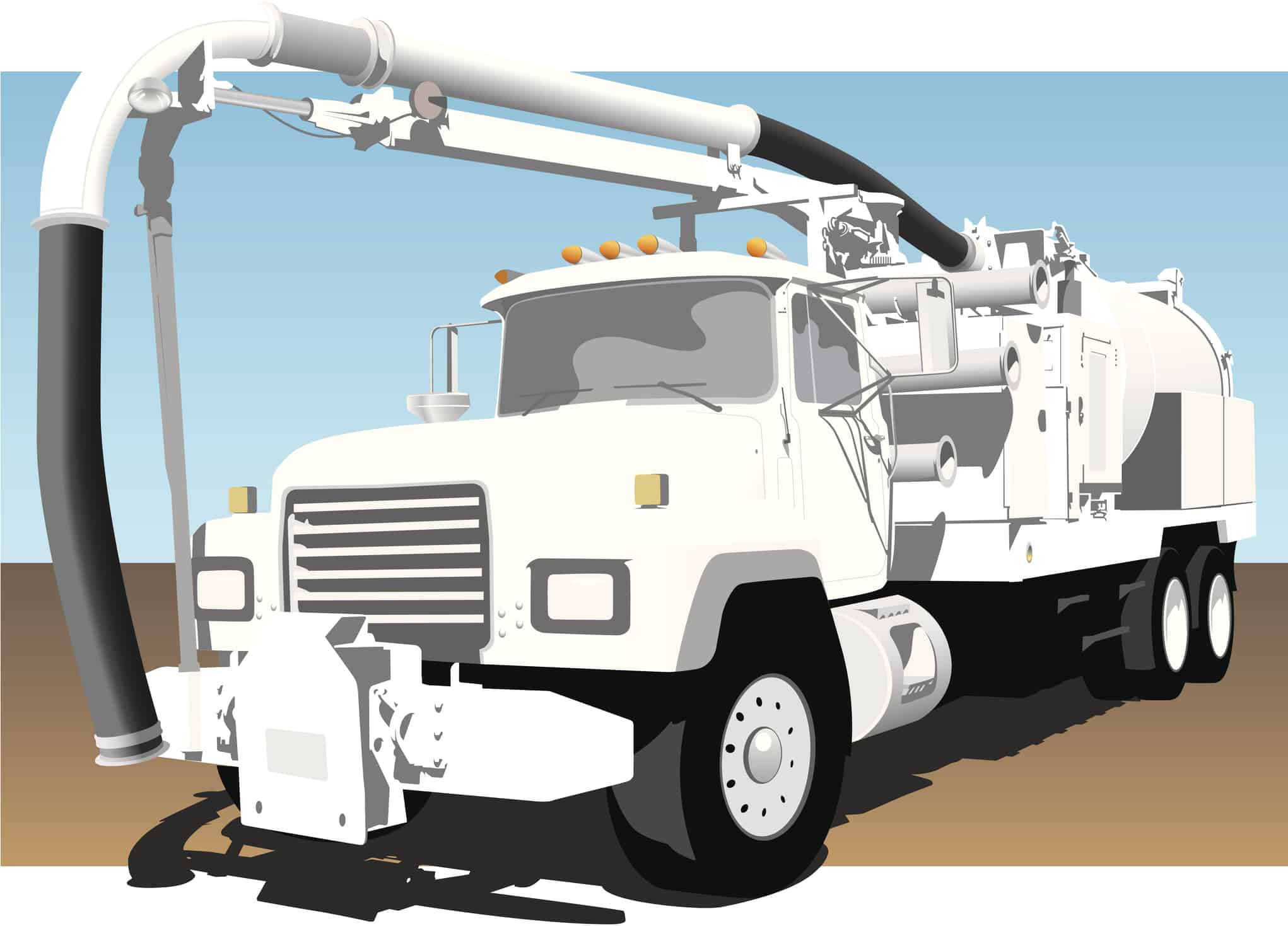
Hydro excavation pairs a high-pressure water wand with an industrial vacuum system mounted on a truck. The water breaks up soil into a slurry, and the vacuum immediately removes it into a debris tank, leaving the excavation area clean and the surrounding ground undisturbed.
Because the process doesn’t rely on blades, buckets, or teeth making direct contact with the ground, operators can work within inches of pipes, cables, and conduit. This makes hydro excavation a preferred method for utility locating, potholing, trenching, and daylighting projects where precision matters more than speed alone.
Traditional Digging vs. Hydro Excavation: Where the Risks Add Up
Traditional digging methods, including backhoes, excavators, and hand tools, move a lot of earth quickly. That speed comes with a tradeoff: mechanical equipment can’t always detect what’s beneath the surface until it’s too late.
Utility maps aren’t always accurate, and buried lines shift over time due to soil movement, freeze-thaw cycles, or past repairs. Mechanical digging equipment applies blunt force over a wide area, so an excavator bucket can strike a line before the operator even sees it. According to the Common Ground Alliance, damage to underground infrastructure remains one of the most frequent and preventable causes of utility service disruption nationwide.
Hydro excavation addresses this risk directly:
- Water pressure adjusts to match soil conditions and utility depth, giving operators more control than a mechanical blade allows
- Technicians can stop the moment they reach a pipe or cable, rather than after impact
- Soil is broken up gradually instead of struck all at once, reducing the chance of a surprise collision with buried infrastructure
- The process works well for utility locating and potholing, where precision matters more than raw digging speed
A single strike from mechanical equipment can trigger emergency repairs, regulatory fines, and project delays that ripple across an entire job schedule. That risk is a major reason hydro excavation has become standard practice on utility-sensitive sites.
Efficiency Gains That Matter for Contractors and Municipalities
Traditional digging often requires shoring, hand-digging around known utilities, and extensive backfill once the work is done. Hydro excavation removes soil and slurry in one pass, which cuts down on manual labor and speeds up project completion. For municipalities managing multiple utility locations in a single week, that time savings adds up fast.
The cost and cleanup advantages follow the same pattern:
- A clean, precise hole means less landscaping to repair and less pavement to replace
- Less soil needs to be hauled offsite compared to a wide mechanical trench
- Fewer utility strikes mean fewer emergency repair bills, which is often where traditional digging costs spiral out of budget
- Less backfill and restoration work translates directly into faster project turnaround
For contractors juggling tight schedules, those savings can be the difference between finishing on budget and absorbing an unplanned repair cost.
Where Hydro Excavation Makes the Most Sense
Hydro excavation isn’t the right tool for every job, but it consistently outperforms traditional digging in specific scenarios:
- Utility locating and daylighting near gas, water, or fiber lines
- Potholing for engineering surveys or utility verification
- Trenching in congested underground corridors
- Frozen ground excavation during Michigan winters
- Slot trenching for cable or conduit installation in sensitive areas
Is Hydro Excavation Right for Every Project?
Large-scale earthmoving where no utilities are present may still call for traditional equipment, since it can move more volume faster. But any project within reach of underground infrastructure benefits from the added safety margin hydro excavation provides. PowerVac of Michigan’s jet/vac fleet is equipped to handle both approaches depending on site conditions.
FAQs About Hydro Excavation vs Traditional Digging
Is hydro excavation more expensive than traditional digging?
Hydro excavation can carry a higher hourly rate, but it often costs less overall once repair, restoration, and delay risks are factored in. Traditional digging near utilities frequently requires additional labor for hand-digging and backfill. Municipalities and contractors managing multiple sites tend to see the biggest savings over a project’s full lifecycle. A cost comparison should always include the risk of utility damage, not just the excavation rate.
Do I still need to call 811 before hydro excavating?
Yes. Calling 811 to request utility locates is required by law before any excavation, regardless of method. Hydro excavation reduces the risk of damage if a line is missed or mismarked, but it doesn’t replace the locating process. Visit Call811.com to submit a locate request before any dig begins.
Can hydro excavation be used in frozen ground?
Yes, and it’s one of the reasons Michigan contractors rely on it through the winter months. Heated water can break through frost lines that would slow or damage mechanical equipment. This makes hydro excavation a practical year-round option for utility work in colder climates.
Choosing the Right Excavation Method Protects Your Project and Your Budget
Traditional digging still has its place on large, utility-free sites, but any project near buried infrastructure carries real risk when handled with mechanical equipment alone. Hydro excavation offers contractors, municipalities, and industrial clients a safer, more precise way to expose utilities without the guesswork.
Ready to Reduce Utility Strike Risk on Your Next Project?
PowerVac of Michigan brings decades of hydro excavation experience to construction, municipal, and industrial sites across the state. Contact us or call 248-912-9974 to schedule a project consultation.