

If you’re digging anywhere near utilities, hydro excavation is usually the safer bet. Period. When you’re working on a Michigan job site packed with gas lines, fiber, water mains, and who-knows-what-else buried decades ago, guessing with a backhoe isn’t a strategy. It’s a gamble.
Hydro excavation in Michigan has become the go-to method for crews who want precision without the risk of striking something expensive or dangerous. Traditional digging still has its place, but safety, downtime, and compliance matter more than ever. Let’s break down the real differences, where each method makes sense, and how to choose the right approach for your site.
The “Don’t Hit the Gas Line” Snapshot
- Hydro excavation reduces underground utility strikes.
- Traditional digging is faster for large, open areas.
- Hydro minimizes surface damage and downtime.
- Michigan’s frozen ground makes hydro especially useful.
What Is Hydro Excavation?
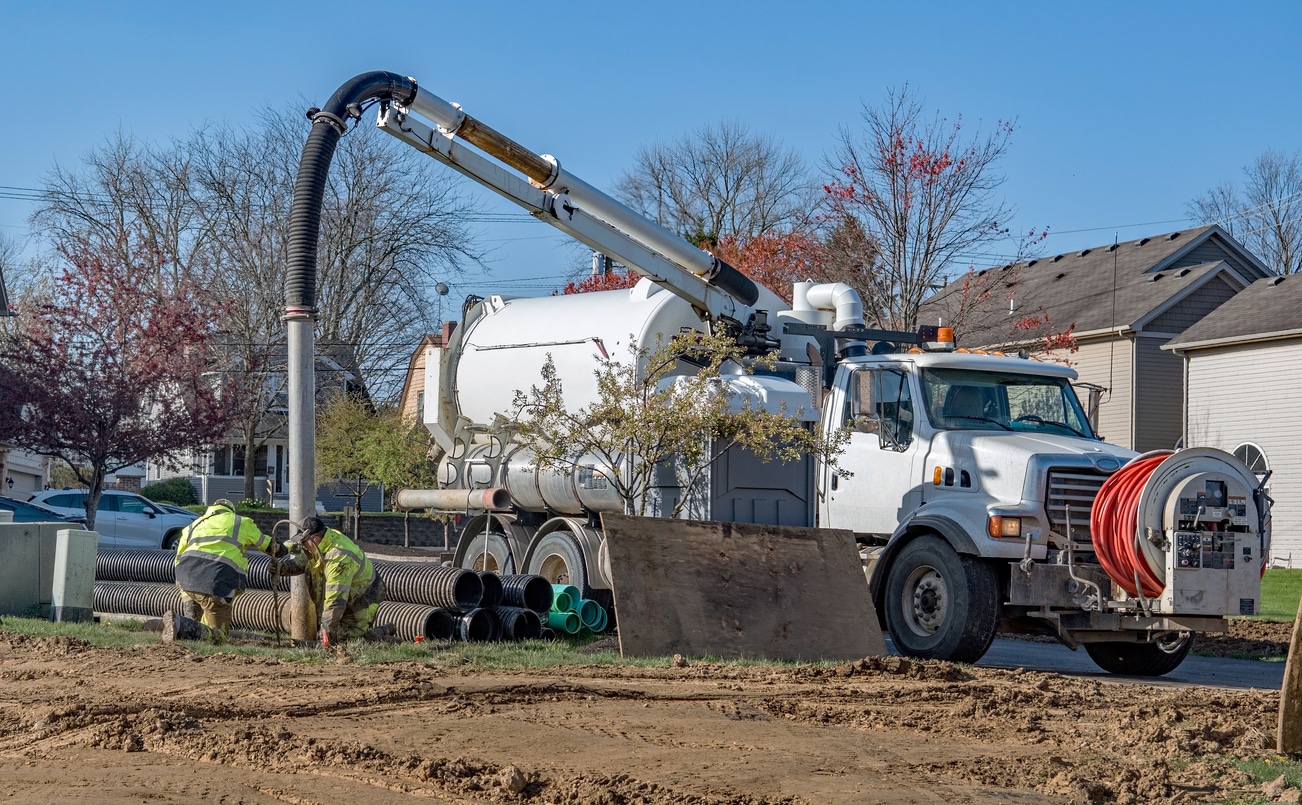
Hydro excavation uses high-pressure water to break up soil and a powerful vacuum system to remove it. Instead of tearing into the ground with metal teeth, it liquefies soil and extracts it with precision.
How Hydro Excavation Works
A hydro excavation truck directs pressurized water into the soil. The slurry is immediately vacuumed into a debris tank. This controlled process exposes utilities without physical contact. That means no blades, buckets, or blind digging.
Where Hydro Excavation Is Commonly Used
Hydro excavation services are ideal for:
- Utility daylighting and potholing
- Locating gas, electric, or fiber lines
- Pole and sign installation
- Municipal maintenance
- Work in congested urban environments
According to the Common Ground Alliance, utility strikes cause billions in damages annually. Many of those incidents stem from mechanical excavation errors. Hydro significantly reduces that risk.
What Is Traditional Digging?
Traditional excavation methods rely on mechanical equipment, like backhoes, trenchers, and excavators, to remove soil quickly. This heavy equipment uses metal buckets or blades to scoop or trench soil. It’s efficient for large-scale earthmoving and deep excavation in clear areas. Speed is its strength, but precision isn’t always.
Where Traditional Digging Makes Sense
Traditional digging may be appropriate when:
- Working in open, utility-free zones
- Performing mass earth removal
- Excavating large foundations
- Operating where underground mapping is verified and minimal
Mechanical excavation isn’t outdated. It just isn’t always the safest option near buried infrastructure.
Safety Comparison: Hydro Excavation vs. Traditional Digging
Safety isn’t theoretical. It’s measurable.
Risk of Underground Utility Damage
Mechanical excavation carries a higher risk of striking gas, electric, water, or telecom lines. Even with location pins in place, mapping errors and unknown lines exist.
Hydro excavation exposes utilities with water, not metal. That controlled approach reduces direct contact.
Critical Takeaway: Fewer utility strikes mean fewer injuries, fewer outages, and fewer emergency repairs.
Worker Safety on Job Sites
Excavation incidents often involve trench collapses or equipment-related injuries. Hydro excavation reduces the need for workers to enter unstable trenches. Because soil removal is targeted and controlled, the excavation footprint is smaller. That means less destabilization of the surrounding ground.
The Occupational Safety and Health Administration emphasizes trench safety as a critical concern in construction. Methods that limit trench size and duration reduce exposure risk.
Environmental and Surface Impact
Hydro excavation minimizes soil disturbance. Instead of tearing up a wide area, it focuses on a precise location.
This reduces:
- Landscape damage
- Roadway restoration costs
- Erosion risk
- Surface repair timelines
For municipalities and commercial properties, reduced surface impact translates directly into cost savings.
Cost and Downtime: The Hidden Factor
Safety is the headline, but cost is what keeps project managers up at night. When comparing hydro excavation vs. traditional digging, many teams look first at equipment rates or hourly costs. That’s understandable. But initial equipment pricing doesn’t tell the full story. The real financial impact shows up when something goes wrong, or when a job slows down because it wasn’t planned with precision.
Excavation isn’t just about moving dirt. It’s about protecting schedules, budgets, and reputations.
The Real Cost of Utility Strikes
A single utility strike can unravel weeks of planning in minutes. It can trigger:
- Emergency repair expenses
- OSHA investigations
- Immediate project shutdowns
- Insurance claims and liability disputes
- Long-term reputational damage
Excavation damage remains one of the leading causes of utility disruption nationwide, and that disruption doesn’t just inconvenience the public. It halts projects and drains budgets. Gas lines. Fiber lines. Electrical infrastructure. Hitting any of them carries consequences that far outweigh the perceived savings of traditional digging.
Hydro excavation significantly lowers that risk by removing soil with controlled water pressure instead of metal teeth. Fewer strikes mean fewer surprises, and fewer expensive phone calls.
Efficiency in Sensitive Areas
In wide-open, utility-free areas, mechanical digging can be faster, without question. But most real-world job sites aren’t wide open. They’re crowded with underground infrastructure. That’s where hydro excavation earns its keep.
In congested zones, precision reduces the need for:
- Restoration work after accidental damage
- Backfill corrections from over-digging
- Reinspection and compliance delays
Hydro excavation may take slightly longer per pass in some conditions. But when you factor in avoided repairs, fewer disruptions, and reduced surface restoration, the overall timeline often tightens, not stretches. Fewer surprises mean smoother coordination with inspectors, municipalities, and project stakeholders and better margins.
Michigan Conditions: Why It Matters Here
Michigan presents unique excavation challenges.
Frozen Ground and Winter Excavation
Traditional digging struggles in frozen soil. Hydro excavation units can use heated water to penetrate frozen ground efficiently.
That means year-round capability—even in harsh winters.
Aging Infrastructure
Many Michigan cities have dense, aging underground utility networks. Mechanical digging in those conditions increases strike risk.
Hydro excavation is particularly valuable when working around legacy systems where documentation may be incomplete.
When to Choose Hydro Excavation
Here’s the practical decision checklist.
Use hydro excavation when:
- Working near known utilities
- Performing daylighting or potholing
- Excavating in congested urban areas
- Operating in frozen ground
- Safety and compliance are priorities
Traditional digging may work when:
- Performing mass excavation
- Operating in confirmed utility-free zones
- Moving large volumes of soil quickly
The safest excavation method depends on site conditions, but for precision and risk reduction, hydro is often the preferred option.
The Safer Digging Decision
Hydro excavation in Michigan offers a safer, more controlled alternative to traditional digging, especially in utility-dense environments. It reduces strike risk, limits surface damage, and protects crews.
Traditional excavation still has its place. But when safety, compliance, and downtime matter most, hydro provides measurable advantages. Smart excavation decisions protect more than your schedule. They protect your people and your infrastructure.
Ready for Safer Excavation in Michigan?
When excavation can’t afford mistakes, PowerVac of Michigan delivers. Our certified team provides professional hydro excavation, jet/vac, mechanical services, and more across industrial, commercial, and government sectors statewide.
We’re available 24/7 because emergencies don’t follow business hours. Whether you’re planning a precision utility exposure or responding to an urgent situation, our experienced technicians are ready to keep your project moving safely.
Contact our crew today to schedule hydro excavation services or request emergency assistance. Safer digging starts with the right partner.